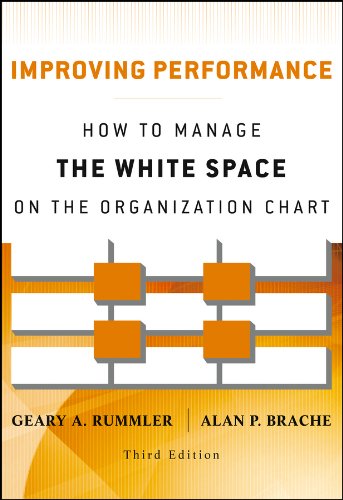
Remote Team Interactions Workbook: A Review and Summary of the Book by Matthew Skelton
Explore practical strategies for improving remote team dynamics with actionable insights, real-world examples, and a focus on communication and trust-building.
Hi, this is Olivia from Book Ember. Today's book of the day is "Remote Team Interactions Workbook: Using Team Topologies Patterns for Remote Working" by Matthew Skelton. This insightful guide offers practical strategies to improve remote team dynamics and foster better communication.
This guide offers practical strategies for enhancing remote team collaboration using proven patterns. It focuses on creating effective communication channels, fostering team autonomy, and optimizing workflows. The workbook provides actionable insights to help teams adapt to remote work challenges, ensuring productivity and cohesion in distributed environments.
What I Loved About This Book
One of the standout aspects of Remote Team Interactions Workbook: Using Team Topologies Patterns for Remote Working (paid link) is its practical approach to the challenges of remote work. Matthew Skelton provides actionable strategies that are both insightful and easy to implement, making the book a valuable resource for anyone looking to improve their remote team dynamics.
The book is filled with real-world examples and case studies that illustrate the concepts in a relatable manner. This makes it easier for readers to see how they can apply these strategies in their own work environments. The focus on team topologies is particularly enlightening, offering a fresh perspective on how to structure remote teams for maximum efficiency and collaboration.
Another aspect I appreciated is the book's emphasis on communication and relationship-building within remote teams. Skelton's advice on fostering a culture of trust and openness is both timely and relevant, especially in today's increasingly remote work landscape. Overall, Remote Team Interactions Workbook (paid link) is a must-read for anyone looking to enhance their remote work experience.